
Can my rabbit eat this?
Search familiar Filipino vegetables, fruits, leaves, forage, pellets and household foods before placing them in your rabbit's bowl.
What Filipino rabbit owners frequently ask
Search results distinguish reliable guidance from foods that still lack dependable pet-rabbit evidence.
What can I use when timothy hay is difficult to find?
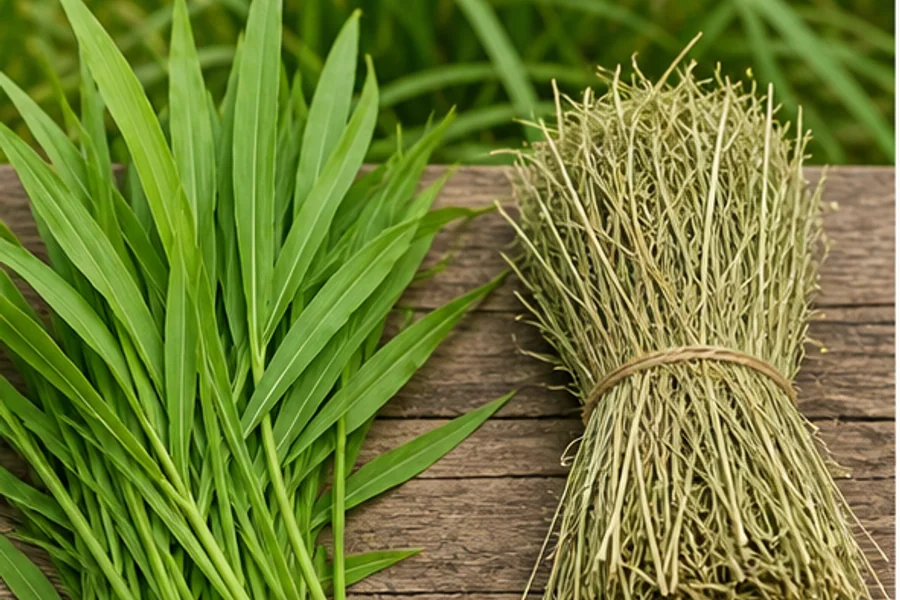
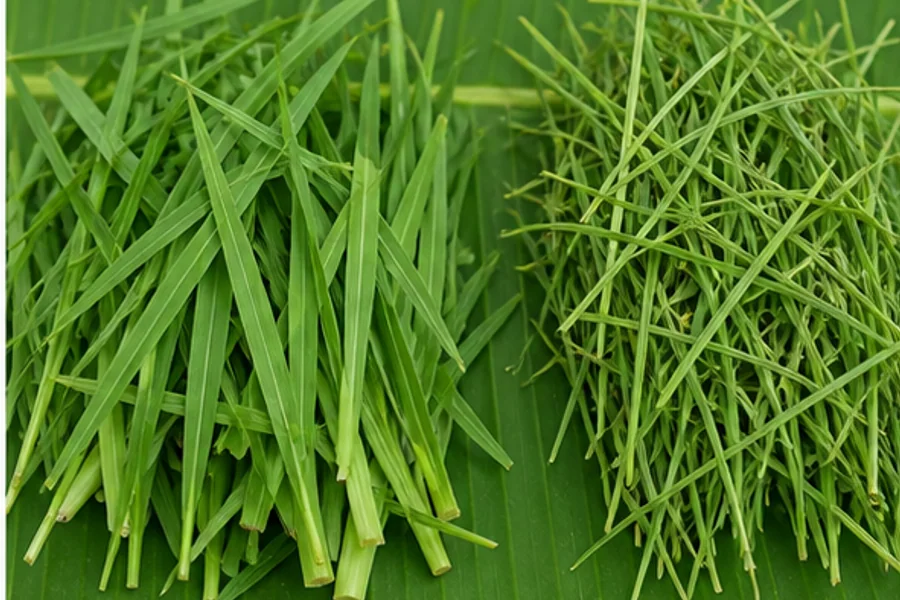
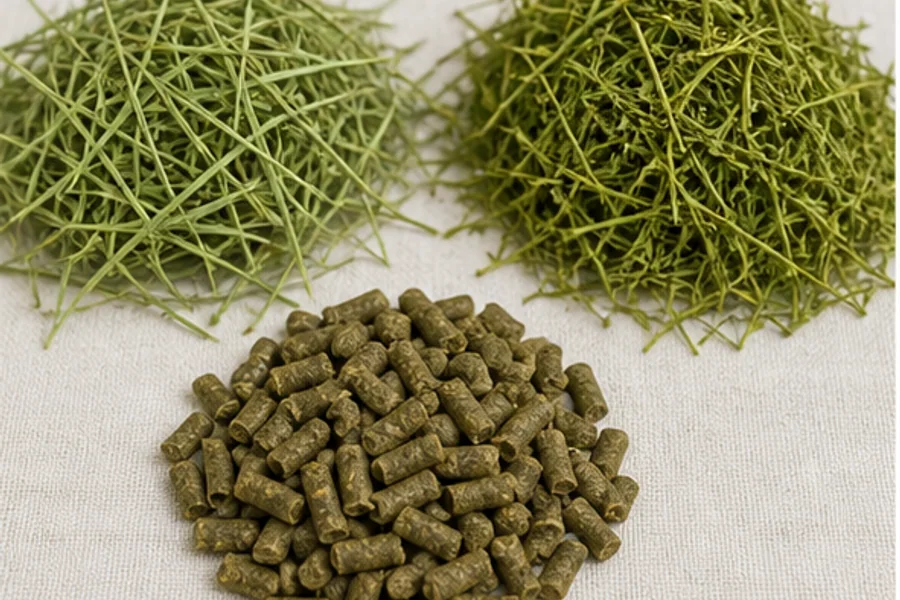
Explore local forage possibilities without assuming every grass is a complete replacement for properly dried, mould-free hay.
Compare hay and local grasses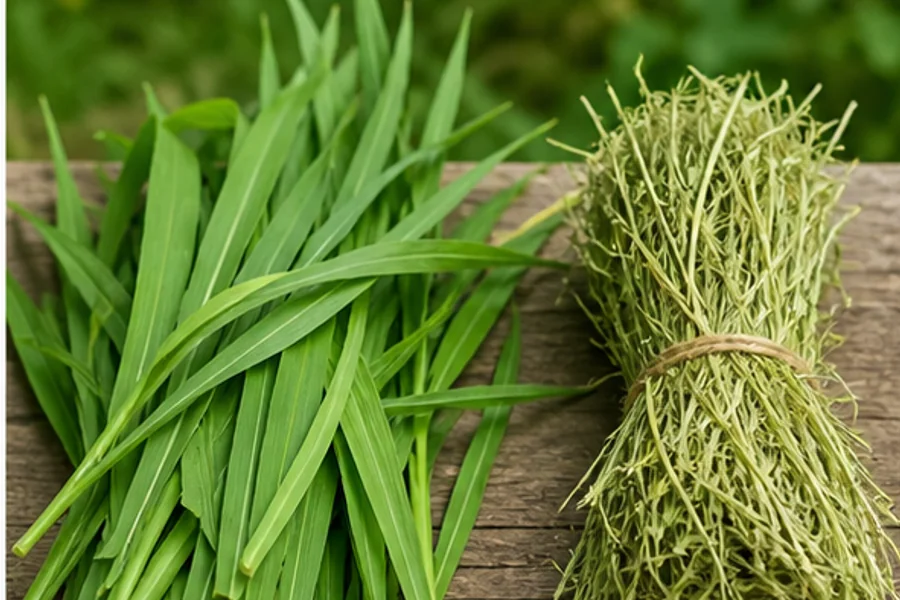
Browse the rabbit food library
Alfalfa hay
LucerneUse cautionNutrient-rich alfalfa is generally reserved for growing or medically selected rabbits rather than healthy adults.
Aloe vera
Do not feedAloe is listed among plants toxic to rabbits.
Alugbati
Malabar spinachInsufficient evidenceThere is insufficient dependable pet-rabbit guidance to recommend alugbati.
Apple
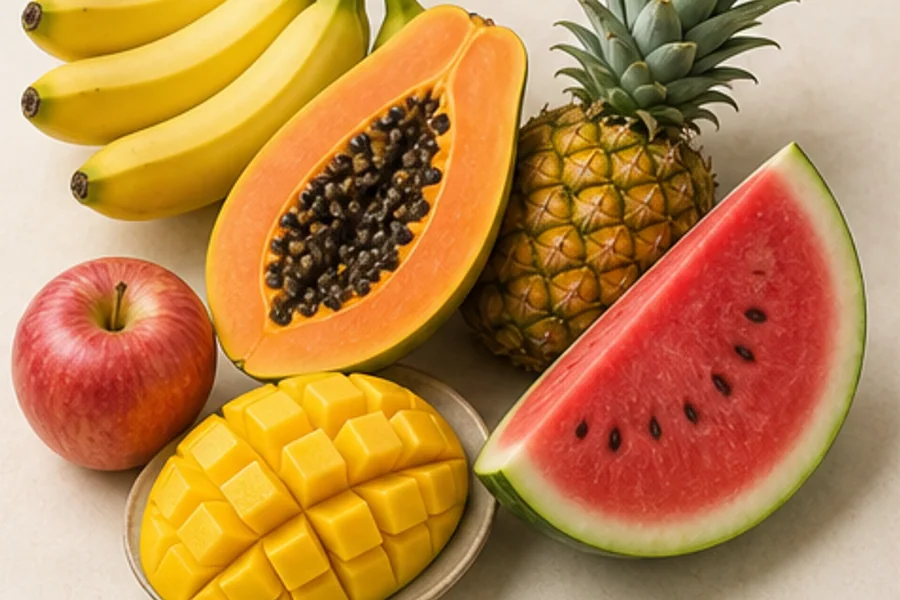
MansanasFeed occasionallyApple flesh may be offered as a tiny occasional treat.
Arugula
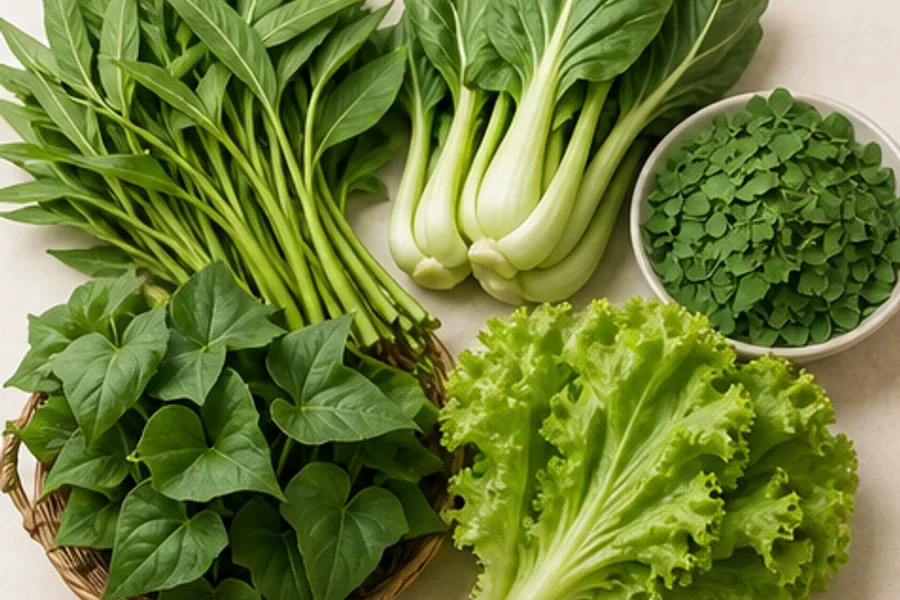
RocketSafe regularlyArugula can be included among varied leafy greens.
Avocado
Do not feedAvocado should not be fed; plant parts are reported toxic to rabbits and the flesh is very fatty.
Azalea
Do not feedAzalea is listed among plants toxic to rabbits.
Banana
SagingFeed occasionallyBanana is a high-sugar treat and should be limited to a very small piece.
Banana blossom
Puso ng sagingInsufficient evidenceThere is insufficient dependable pet-rabbit guidance for banana blossom.
Banana leaves
Dahon ng sagingInsufficient evidenceThere is insufficient dependable pet-rabbit guidance for routine banana-leaf feeding.
Basil
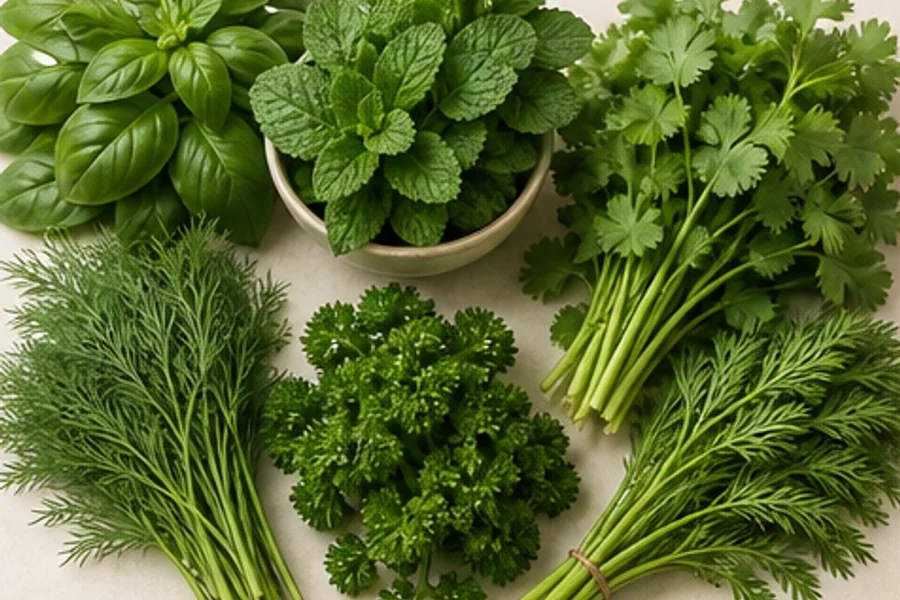
Safe regularlyFresh basil can be included among varied rabbit-safe herbs.
Bell pepper
Matamis na siliSafe regularlyPlain bell-pepper flesh can be included among varied fresh vegetables.
Bitter melon
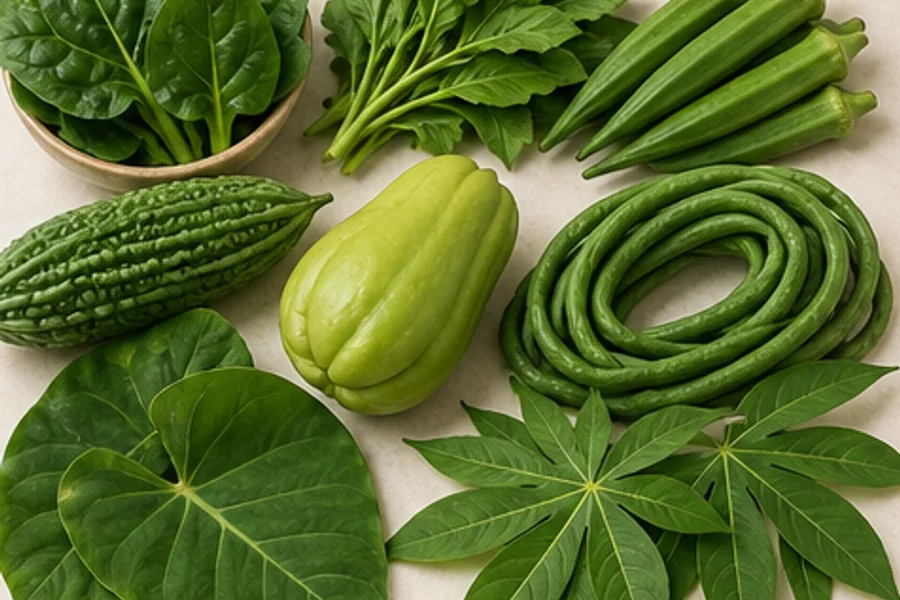
AmpalayaInsufficient evidenceThere is insufficient dependable pet-rabbit guidance for bitter melon fruit.
Bitter melon leaves
Dahon ng ampalayaInsufficient evidenceThere is insufficient dependable pet-rabbit guidance for ampalaya leaves.
Blueberry
Feed occasionallyYes, but only as a small occasional treat because Blueberry contains natural sugar.
Bok choy
PechaySafe regularlyPechay or bok choy can be part of a varied leafy-green portion when introduced slowly.
Bread
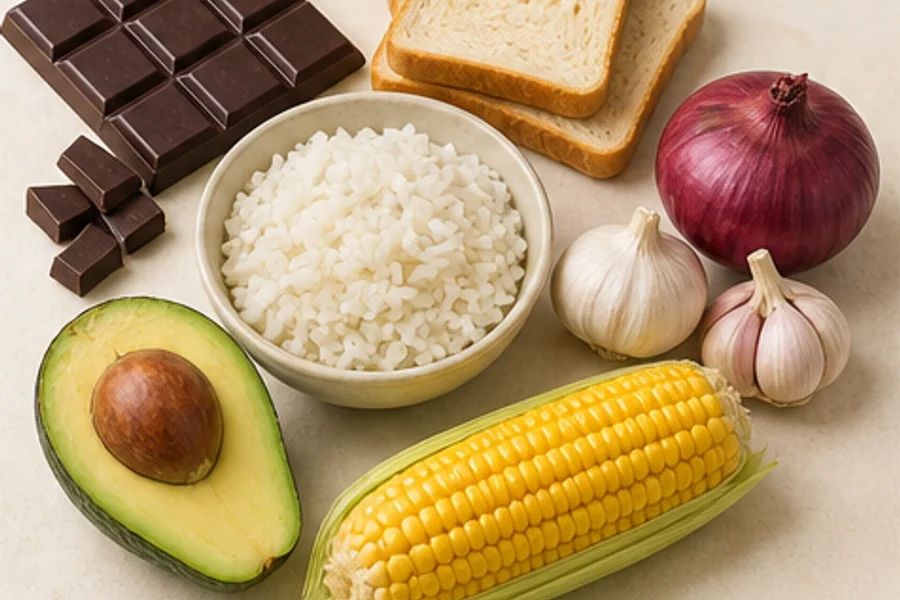
TinapayDo not feedBread is processed starch and does not provide the long fibre rabbits require.
Broccoli
Feed occasionallySmall amounts may be offered, but individual rabbits may develop gas or digestive discomfort.
Cabbage
RepolyoFeed occasionallySmall amounts may be rotated with other greens; some rabbits are sensitive to brassicas.
Candy and sugary sweets
KendiDo not feedSugary processed foods can disrupt a rabbit’s digestive balance and contribute to obesity.
Carabao grass
Use cautionClean hand-cut carabao grass may contribute fresh forage when correctly identified, but it should not be assumed nutritionally identical to timothy hay.
Carrot root
KarotFeed occasionallyCarrot root is sugary and should be a small occasional treat, not a dietary staple.
Carrot tops
Dahon ng karotSafe regularlyWashed carrot tops are preferable to large portions of the sugary root.
Cassava
Kamoteng kahoyDo not feedCassava contains cyanogenic compounds unless specially processed for human use and should not be offered to rabbits.
Cauliflower
Feed occasionallyUse only a small amount in a varied diet.
Celery leaves
Safe regularlyYes. Celery leaves can be included in a varied leafy-green rotation in reasonable quantities.
Chayote fruit
SayoteInsufficient evidenceChayote is a common Philippine vegetable, but a dependable pet-rabbit serving standard was not found.
Chayote tops
Talbos ng sayoteInsufficient evidenceThere is insufficient dependable pet-rabbit guidance for chayote shoots.
Chocolate
Do not feedChocolate is unsafe and must not be fed to rabbits.
Cilantro
WansoySafe regularlyCilantro can be offered as part of a varied herb and leafy-green rotation.
Coffee, tea and caffeine
Kape at tsaaDo not feedCaffeine-containing drinks and ingredients are unsafe for rabbits.
Corn kernels
MaisDo not feedCorn kernels are starchy and dried corn has been associated with obstruction risk.
Crackers
BiskwitDo not feedCrackers are processed, salty or starchy human foods and should not be fed.
Cucumber
PipinoFeed occasionallyA small hydrating addition, but it provides less fibre than leafy greens.
Dill
Safe regularlyFresh dill can be included among varied herbs.
Dragon fruit
PitayaFeed occasionallyA tiny piece of flesh may be offered occasionally.
Edible fern
PakoInsufficient evidenceFern identification is difficult and rabbit-specific evidence is inadequate; do not forage it for rabbits.
Eggplant fruit
TalongUse cautionNightshade plant parts are unsafe and dependable pet-rabbit guidance for the fruit is inconsistent; choose established greens instead.
Endive
Safe regularlyEndive is an established leafy green for a varied rabbit diet.
Escarole
Feed occasionallyEscarole can be included in a varied rotation in limited quantities.
Fennel fronds
Safe regularlyYes. Fennel fronds can be included in a varied leafy-green rotation in reasonable quantities.
Foxglove
Do not feedAll parts contain cardiac glycosides and can be highly poisonous.
Fresh garden grass
Use cautionCorrectly identified, clean, chemical-free grass can be excellent forage when introduced gradually.
Garlic
BawangDo not feedGarlic is not appropriate rabbit food and may be harmful.
Grapes
UbasFeed occasionallyOne small grape or part of one is an occasional sugary treat, not a daily food.
Green leaf lettuce
Safe regularlyA useful leafy green in a varied rotation.
Guava
BayabasFeed occasionallyA tiny piece of ripe flesh may be offered occasionally.
Guinea grass
Use cautionLeafy Guinea grass is a tropical forage used in rabbit-production references. Treat it as a carefully sourced forage option, not an assumed one-for-one replacement for clean commercial hay.
Iceberg lettuce
Use cautionIceberg lettuce is not a useful staple because it is mostly water and provides less nutrition than darker leafy varieties.
Jicama root
SingkamasUse cautionThe seeds and other plant parts can be toxic; dependable pet-rabbit guidance for the peeled root is insufficient.
Kale
Feed occasionallyKale is acceptable but should be rotated and limited rather than fed as the only daily green.
Kangkong
Water spinachUse cautionRabbit-specific household guidance is limited; contamination from growing water is an additional concern. Use only after local veterinary advice.
Lawnmower clippings
Do not feedMower clippings heat and ferment rapidly and can make rabbits seriously ill.
Lily of the valley
Do not feedLily of the valley is listed among plants toxic to rabbits.
Locally dried grass hay
Local hayUse cautionProperly identified tropical grass can be made into hay only when it is completely dried, clean, leafy, sweet-smelling and free of mould. Quality varies greatly, so professional local guidance is recommended.
Malunggay
Moringa leavesInsufficient evidenceMalunggay is human food and livestock forage, but that does not establish a dependable pet-rabbit serving.
Mango
ManggaFeed occasionallyRipe mango flesh can be a tiny occasional treat.
Meadow hay
Safe regularlyClean meadow hay can provide useful variety when its plants are safely identified.
Meat, eggs and fish
Karne itlog isdaDo not feedRabbits are herbivores; animal products are not appropriate food.
Melon
CantaloupeFeed occasionallyYes, but only as a small occasional treat because Melon contains natural sugar.
Milk and dairy
Do not feedRabbits do not need dairy products and should not be given them.
Mint
Safe regularlyFresh mint can be included among varied rabbit-safe herbs.
Mouldy or spoiled food
Do not feedMouldy, slimy or spoiled food may contain dangerous toxins and must be discarded.
Mung bean sprouts
TogueInsufficient evidenceRaw bean sprouts are not necessary and dependable pet-rabbit guidance is insufficient.
Mustard greens
MustasaFeed occasionallyMustard greens are acceptable in limited rotation.
Napa cabbage
Pechay BaguioSafe regularlyNapa cabbage can be rotated with other washed leafy greens in modest portions.
Napier grass
Elephant grassUse cautionYoung leafy Napier is locally available forage and has been used in rabbit-production feeding, but it is not automatically equivalent to analysed commercial grass hay. Identify it correctly, introduce it gradually and retain a dependable long-fibre source.
Nuts and seeds
Do not feedNuts and seeds are high-fat and are not appropriate rabbit treats.
Oat hay
Safe regularlyA suitable grass hay when clean and properly dried; seed heads can be more calorie-dense.
Okra
Insufficient evidenceA dependable pet-rabbit portion and safety reference was not found, so do not assume it is suitable.
Onion
SibuyasDo not feedOnion and related alliums are not appropriate and may be harmful.
Orange
KahelFeed occasionallyA tiny seedless piece may be offered rarely; sugary acidic fruit is unnecessary.
Orchard grass hay
Safe regularlyA suitable grass hay that can be offered freely to most adult rabbits.
Papaya
Feed occasionallyRipe papaya flesh can be a tiny occasional treat.
Para grass
Use cautionPara grass is a locally recognised forage, but pet-rabbit evidence and nutrient consistency are limited. Use only correctly identified, clean grass introduced gradually.
Parsley
Feed occasionallyParsley can be offered in rotation but should not dominate the daily greens.
Pear
PerasFeed occasionallyYes, but only as a small occasional treat because Pear contains natural sugar.
Philodendron
Do not feedPhilodendron is listed among plants toxic to rabbits.
Pineapple
PinyaFeed occasionallyFresh pineapple flesh can be a tiny occasional treat.
Plain rabbit pellets
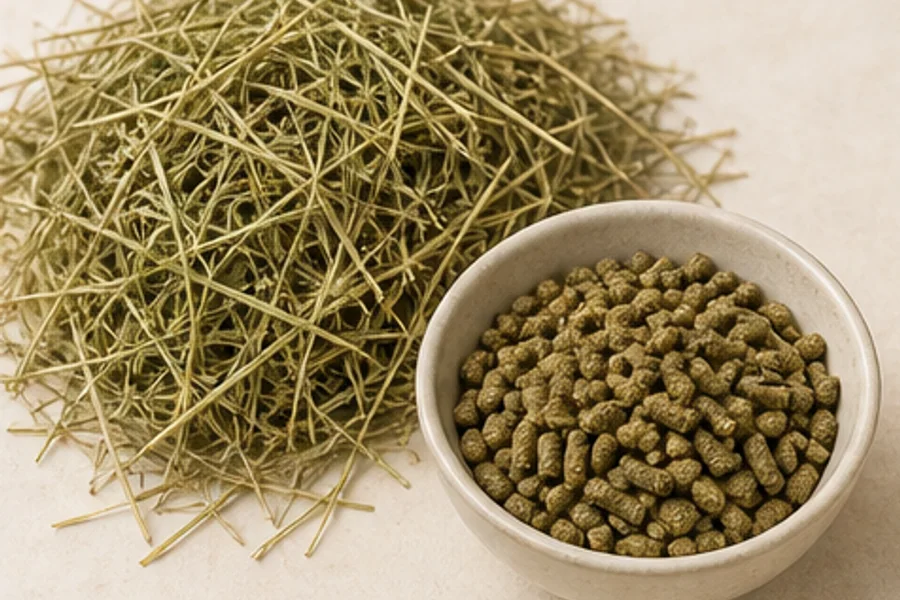
Use cautionPlain, age-appropriate, high-fibre pellets can complement unlimited hay in a measured amount.
Pumpkin
KalabasaFeed occasionallyPlain raw pumpkin flesh is best treated as a small occasional food because it is not a leafy staple.
Rabbit muesli mix
Do not feedMuesli-style mixes encourage selective feeding and are associated with dental and digestive problems.
Radish leaves
Dahon ng labanosSafe regularlyWashed radish leaves can be included in a varied leafy-green rotation.
Red leaf lettuce
Safe regularlyA useful leafy green in a varied rotation.
Rhubarb
Do not feedRhubarb is potentially poisonous and should not be offered.
Rice
KaninDo not feedRice is starch-heavy, low in long fibre and not appropriate rabbit food.
Romaine lettuce
Cos lettuceSafe regularlyA useful leafy green in a varied rotation when washed and introduced gradually.
Salty or seasoned food
Do not feedSalty, oily or seasoned human food is unsuitable for rabbits.
Saluyot
Jute leavesInsufficient evidenceThere is insufficient dependable pet-rabbit guidance to recommend saluyot.
Spinach
EspinakaFeed occasionallySpinach may be offered in limited rotation rather than as an everyday main green.
Strawberry
Feed occasionallyYes, but only as a small occasional treat because Strawberry contains natural sugar.
Sweet potato leaves
Talbos ng kamoteUse cautionSources conflict and dependable pet-rabbit serving guidance is lacking; do not use as a routine food without veterinary advice.
Taro
GabiDo not feedRaw taro contains irritating calcium-oxalate crystals and is not appropriate rabbit food.
Timothy hay
Safe regularlyUnlimited clean grass hay is the foundation of a healthy adult rabbit diet.
Tomato
KamatisUse cautionOnly ripe tomato flesh may be offered as a tiny occasional treat. The green plant parts must not be fed.
Turnip greens
Safe regularlyYes. Turnip greens can be included in a varied leafy-green rotation in reasonable quantities.
Watercress
Safe regularlyClean watercress can be included among varied greens.
Watermelon
PakwanFeed occasionallyA seedless bite of flesh can be an occasional treat.
White potato
PatatasDo not feedPotato is starchy and its green parts, eyes and sprouts contain harmful compounds.
Yardlong beans
SitawDo not feedRaw beans are listed as harmful, so sitaw pods and seeds should not be used as rabbit food without specific veterinary guidance.
Zucchini
CourgetteFeed occasionallyPlain non-bitter zucchini may be offered as a small addition.