
The short answer
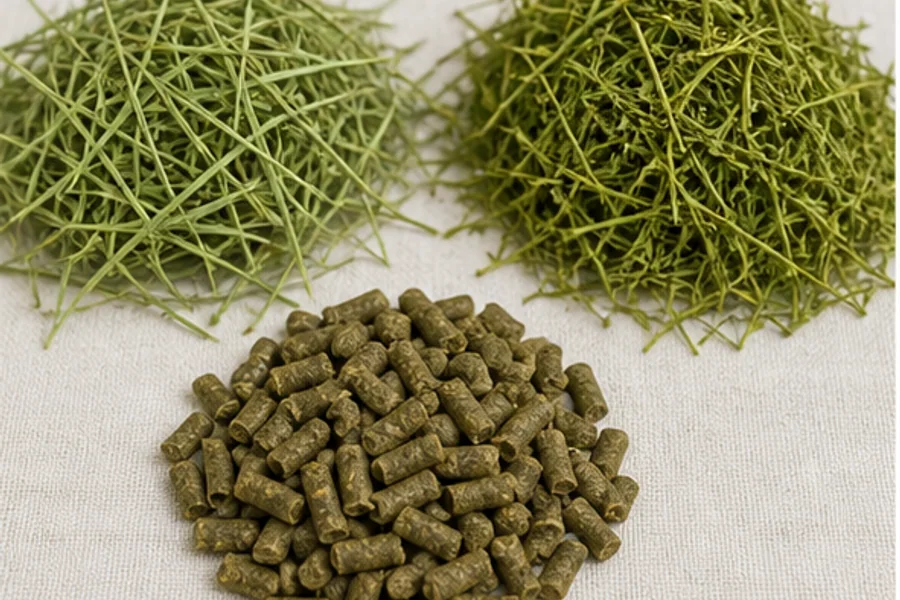
Properly identified tropical grass can be made into hay only when it is completely dried, clean, leafy, sweet-smelling and free of mould. Quality varies greatly, so professional local guidance is recommended.
Recommended amount
No universal serving is established; ask a rabbit-experienced veterinarian before routine feeding.
Suitable rabbit age
Age and health needs vary. Young rabbits and adults may require different hay choices; ask a rabbit-experienced veterinarian.
Preparation
Wash well, identify correctly, serve plain and raw unless the guide specifically says otherwise, and introduce gradually.
Parts or forms to avoid
Do not store while warm or damp. Discard musty, dusty, blackened, fermented or mouldy batches. Do not use toxic or unidentified mixed plants.
Nutritional and feeding notes
Long fibre supports normal chewing and gut movement; exact quality varies by species, harvest and storage.
Review notes
RSPCA hay-quality principles; Philippine forage references.
Educational guidance only, not veterinary diagnosis. Individual rabbits and local plant varieties differ. If your rabbit ate a questionable item or becomes unwell, contact a rabbit-experienced veterinarian promptly.
Share this reviewed food-safety result.
Use this result or ask the RabbitTrust community.
Basic food-safety results always remain public. Join only when you want member features.